
Introduction
The future of event marketing is no longer about simply listing tickets online and waiting for registrations. By 2027, successful event organizers will focus on creating personalized, engaging, and data-driven experiences that motivate people to register early and stay connected before the event even begins. As attendee expectations continue to evolve, every stage of the ticket-buying journey must deliver convenience, value, and excitement.
Making GamificationSummit ticket sales effective requires more than attractive pricing or a modern website. Organizers need a complete strategy that combines audience insights, automation, trust, and interactive experiences to improve conversions. Instead of relying on traditional sales methods, forward-thinking teams are building stronger relationships with attendees through personalized campaigns, mobile-first experiences, and community engagement.
Whether you organize technology conferences, corporate workshops, educational summits, or innovation expos, the strategies below can help improve Gamification Summit Ticket Sales, increase registrations, and create long-term attendee loyalty. Most importantly, these methods are designed to remain relevant throughout 2027 and beyond because they focus on user behavior rather than short-term marketing trends, helping organizers achieve sustainable Gamification Summit Ticket Sales growth.
Why Ticket Sales Will Change in 2027
The event industry continues to evolve as digital technology becomes more advanced. Today’s attendees expect faster registration, secure payments, personalized communication, and interactive experiences before they purchase a ticket.
Instead of choosing an event based only on price, people now evaluate:
- The overall attendee experience
- Registration simplicity
- Speaker quality
- Community engagement
- Exclusive networking opportunities
- Personalized recommendations
- Mobile accessibility
As a result, organizers who understand attendee expectations will consistently outperform competitors using outdated sales techniques.
1. Build a Personalized Registration Journey
However, one-size-fits-all marketing is becoming less effective every year. Therefore, modern attendees increasingly appreciate experiences that feel relevant to their interests and preferences.
Instead of sending identical promotions to every visitor, create personalized registration paths based on:
- Professional interests
- Previous event attendance
- Industry
- Job role
- Geographic location
- Preferred learning topics
Personalized landing pages often increase engagement because visitors immediately see content that matches their goals.
For example, a software developer and a marketing manager may both attend the same summit, but each should receive recommendations that highlight sessions relevant to their profession.
This personalized approach builds trust while improving registration rates.
2. Use AI to Predict Buying Behavior
Artificial intelligence is becoming one of the biggest advantages for event organizers.
Rather than guessing when people will purchase tickets, AI tools can analyze:
- Visitor activity
- Email engagement
- Returning users
- Popular sessions
- Peak registration periods
- Campaign performance
Using these insights allows organizers to launch promotions at the right time instead of relying on fixed marketing schedules.
Predictive analytics also helps allocate advertising budgets more efficiently, reducing unnecessary spending while increasing conversions.
3. Create Value Before Selling
Many organizers start promoting ticket prices before demonstrating why their event matters.
In 2027, value-first marketing will continue outperforming sales-first campaigns.
Instead of immediately asking visitors to purchase tickets, provide helpful resources such as:
- Industry reports
- Speaker interviews
- Educational blogs
- Short training videos
- Behind-the-scenes content
- Community discussions
When people learn something useful before buying, they naturally develop confidence in the event’s quality.
Trust almost always increases ticket sales.
4. Focus on Community Instead of Transactions
Successful events no longer begin on opening day.
They begin months before through active communities.
Private discussion groups, networking spaces, online challenges, and member-only content encourage attendees to interact before the summit starts.
This creates anticipation while reducing hesitation during registration.
People enjoy joining communities—not simply purchasing tickets.
Building relationships before the event also improves attendee retention for future conferences.
5. Optimize Every Step for Mobile Users
Mobile devices continue dominating online registrations.
If your ticket purchasing process requires excessive scrolling, repeated form fields, or slow-loading pages, many visitors will abandon their purchase.
A mobile-friendly registration process should include:
- Fast page loading
- Simple navigation
- Large call-to-action buttons
- One-page checkout
- Digital wallet support
- Secure payment options
- Instant confirmation emails
Every unnecessary click reduces conversion opportunities.
A smooth mobile experience encourages users to complete registration immediately instead of postponing the decision.
6. Increase Engagement with Meaningful GamificationSummit Ticket Sales Effective
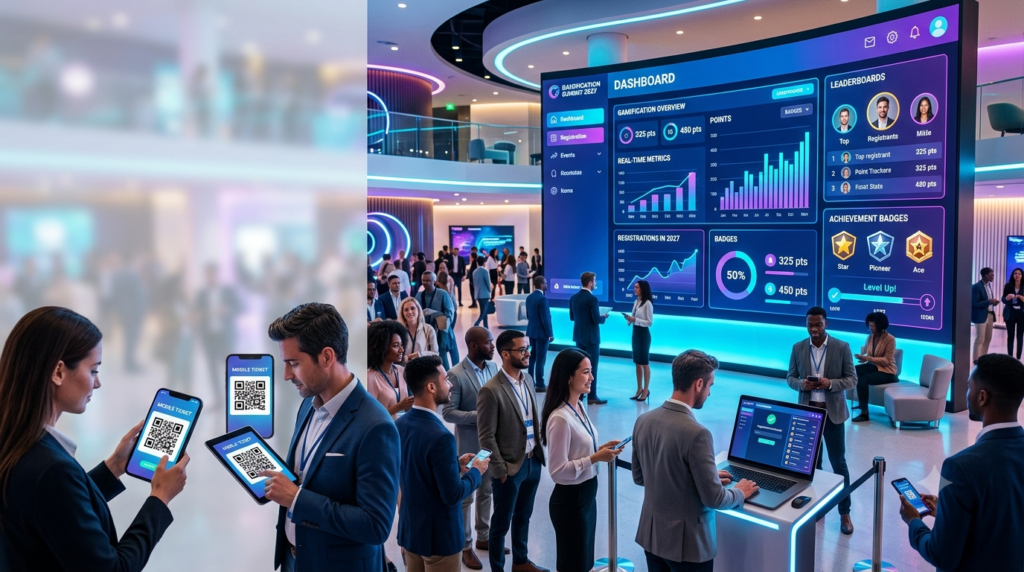
By 2027, gamification will be more than a marketing trend—it will become an essential strategy for increasing attendee participation before an event even begins. However, successful organizers will avoid adding game elements simply for entertainment. Instead, every challenge, reward, or achievement should encourage meaningful actions that move attendees closer to registration.
For example, attendees can earn points for completing their profiles, referring colleagues, joining event discussions, or sharing official event content on social media. As participants unlock new milestones, they feel more connected to the event community.
Useful gamification ideas include:
- Progress bars during registration
- Referral rewards
- Digital achievement badges
- Networking challenges
- Quiz competitions related to the event theme
- Exclusive content unlocked through participation
These interactive experiences create excitement while motivating visitors to complete their registrations instead of leaving the website halfway through the process.
7. Build Trust with Secure Payments and Transparent Policies
People rarely purchase tickets from websites they do not trust.
Even if your event offers outstanding speakers and valuable sessions, unclear refund policies or limited payment options can reduce conversions.
In 2027, trust will remain one of the strongest factors influencing ticket sales.
A professional registration system should clearly display:
- Secure payment methods
- Refund and cancellation policies
- Privacy information
- Customer support options
- Registration confirmation process
- Frequently asked questions
When visitors know exactly what to expect, they feel more confident completing their purchase.
Transparency removes uncertainty, and confidence increases registrations.
8. Use Data to Improve Every Campaign
Successful event organizers never rely on assumptions.
Instead, they measure performance continuously and improve each marketing campaign using real data.
Important metrics include:
- Registration conversion rate
- Landing page performance
- Email open rate
- Click-through rate
- Referral registrations
- Traffic sources
- Checkout completion rate
Furthermore, these insights reveal where potential attendees lose interest and, as a result, where improvements can generate better results.
Rather than launching the same campaign repeatedly, organizers who analyze data make smarter marketing decisions that produce consistent long-term growth.
9. Keep Attendees Engaged After Registration
Many organizers stop communicating once someone purchases a ticket.
This is a missed opportunity.
The period between registration and the event should be used to strengthen attendee engagement.
Consider sending:
- Personalized welcome emails
- Session recommendations
- Speaker updates
- Networking opportunities
- Event reminders
- Educational resources
- Community discussions
Regular communication keeps excitement high while reducing cancellations and no-show rates.
Attendees who remain engaged before the event are also more likely to recommend future events to others.
10. Future-Proof Your Ticket Sales Strategy
Technology continues to evolve, but successful ticket sales will always focus on understanding people.
Instead of chasing every new marketing trend, organizers should build flexible systems that adapt to changing attendee expectations.
Future-ready event strategies include:
- AI-powered audience segmentation
- Personalized marketing automation
- Mobile-first user experiences
- Community-driven growth
- Ethical data collection
- Continuous performance optimization
These practices help organizers remain competitive even as digital marketing continues to change.
Rather than depending on one promotional campaign, a sustainable strategy creates steady registration growth throughout the year.
Common Mistakes That Reduce Ticket Sales
Even experienced event organizers sometimes make avoidable mistakes.
Some of the most common include:
- Promoting ticket prices before explaining event value.
- Creating long and complicated registration forms.
- Ignoring mobile users.
- Sending identical emails to every audience segment.
- Failing to analyze campaign performance.
- Waiting until the final weeks to begin marketing.
- Offering little interaction before the event starts.
- Not responding quickly to attendee questions.
Avoiding these mistakes can significantly improve registration performance over time.
Frequently Asked Questions
How can organizers improve ticket sales in 2027?
Focus on personalization, mobile-friendly registration, AI-powered marketing, community engagement, and data-driven decision-making rather than relying only on discounts.
Does gamification really increase event registrations?
Yes. Interactive features such as rewards, referral programs, challenges, and achievement badges encourage participation and improve attendee engagement before the event begins.
Why is attendee trust important?
People are more likely to purchase tickets from organizers who provide secure payment methods, transparent policies, and responsive customer support.
Should organizers continue marketing after tickets are sold?
Absolutely. Ongoing communication keeps attendees engaged, reduces cancellations, and encourages future event participation.
Conclusion
Creating Effective Gamification Summit Ticket Sales strategies in 2027 requires more than promotional campaigns or temporary discounts. Modern attendees expect personalized experiences, secure registration processes, engaging communities, and meaningful interactions long before the event begins.
Organizers who invest in AI-powered insights, mobile optimization, behavioral engagement, and continuous performance analysis will build stronger relationships with their audiences while achieving higher registration rates. Instead of treating ticket sales as a single transaction, successful events focus on creating lasting value throughout the attendee journey.
As the event industry continues to evolve, organizations that prioritize innovation, trust, and user experience will remain ahead of the competition. By implementing these ten proven strategies, event professionals can increase registrations, strengthen attendee loyalty, and build sustainable success well beyond 2027.
Pingback: Gamification Summit Ticket Sales Effectiveness
Pingback: Top Websites for Gamification Summit Ticket Sales: How to Choose the Right Platform for Event Success - gamificationsummits.net
Pingback: Gamification Summit Ticket Sale Effectiveness: A Smarter Way to Improve Event Conversions -
Pingback: Build a Gamification Summit Website That Converts Visitors