
Introduction
Gamification Summit Ticket Sales have become more competitive than ever. As conferences, corporate events, and professional summits continue to grow in popularity, attracting attendees now requires more than traditional marketing. Event organizers must create memorable experiences before the event even begins. Fortunately, gamification offers an effective solution that increases engagement, motivates potential attendees, and significantly improves ticket sales.
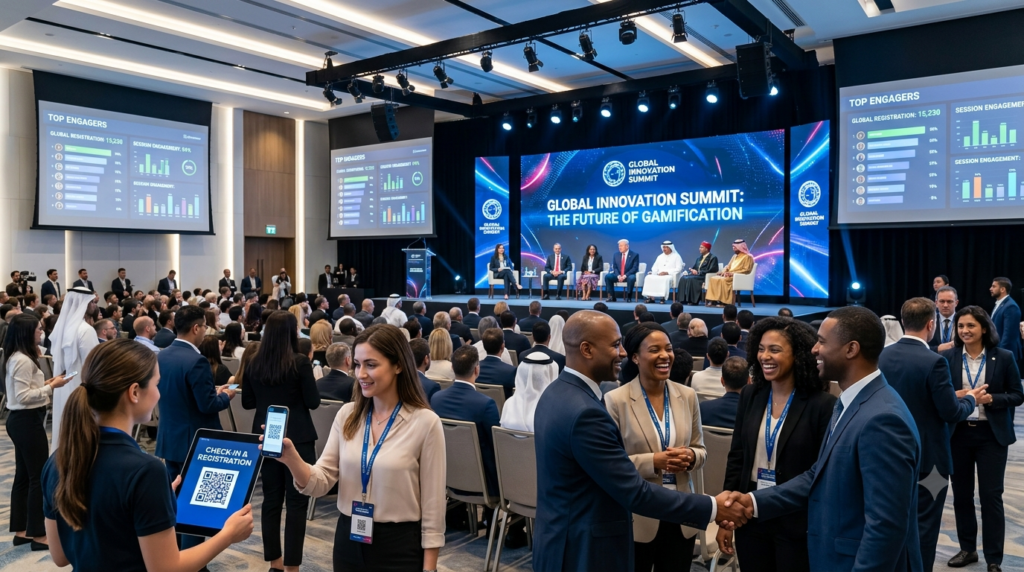
Gamification is the process of applying game-like elements—such as points, badges, leaderboards, rewards, and challenges—to non-game activities. When integrated into event marketing, these features encourage participation, create excitement, and inspire people to complete ticket purchases faster.
In 2026, successful event organizers are using gamification not only to promote their summits but also to build stronger communities around their events. As a result, they generate more registrations, increase attendee engagement, and improve overall event success.
This comprehensive guide explains how gamification transforms ticket sales, why it works, and, more importantly, which strategies deliver the best results for modern summit organizers. Additionally, you’ll discover practical techniques that can help increase registrations and improve attendee engagement.
What Is Gamification in Event Ticket Sales?
Gamification in event marketing involves adding interactive experiences that encourage users to take specific actions. Instead of asking visitors to simply purchase tickets, organizers create enjoyable activities that reward progress.
For example, attendees may earn points by:
- Registering early
- Inviting colleagues
- Sharing the event on social media
- Completing profile information
- Participating in quizzes
- Watching promotional videos
Each completed action unlocks rewards, discounts, exclusive content, or VIP opportunities.
Consequently, buying a ticket becomes part of an enjoyable experience rather than a simple transaction.
Why Gamification Summit Ticket Sales Matter in 2026
The event industry has changed dramatically over the past few years. Today’s attendees expect interactive digital experiences before deciding whether to purchase tickets.
Several factors have contributed to this shift:
- Higher competition among professional conferences
- Increased digital marketing costs
- More online and hybrid events
- Shorter customer attention spans
- Greater demand for personalized experiences
Therefore, organizers must offer something unique.
Gamification satisfies this need because it transforms marketing into an engaging journey. Instead of passive advertisements, potential attendees actively participate, which naturally builds stronger interest in the event.
Moreover, engaged visitors typically spend more time exploring the event website. Moreover, longer session durations often indicate stronger interest and can improve important marketing metrics.
Benefits of Gamification Summit Ticket Sales
Higher Audience Engagement
Traditional advertisements often struggle to capture attention. However, gamification encourages users to interact with your event page through challenges, quizzes, contests, and rewards.
As engagement increases, visitors become emotionally connected with the event. Consequently, this emotional connection frequently leads to higher conversion rates.
Increased Early Bird Ticket Sales
Early registrations help organizers estimate attendance, manage budgets, and attract sponsors.
Gamification motivates early purchases by offering:
- Bonus reward points
- Exclusive digital badges
- Limited-time challenges
- VIP upgrades
- Special recognition on leaderboards
Because these incentives create urgency, more people purchase tickets before prices increase.
Stronger Social Media Promotion
One satisfied attendee can inspire dozens of new registrations. As a result, delivering an exceptional event experience should always be a top priority.
For instance, referral challenges reward participants for inviting friends or colleagues.
A simple campaign might include:
- Share the event on LinkedIn
- Invite three coworkers
- Earn 300 points
- Unlock a 15% ticket discount
As a result, every participant becomes part of the marketing campaign.
Better Community Building
Successful summits are communities—not just events. Therefore, organizers should focus on building meaningful relationships with attendees. As a result, they can encourage long-term engagement and loyalty.
Gamification creates interaction long before the opening keynote.
Learn more in our guide on Event Marketing Strategies
Participants can:
- Join discussion groups
- Answer industry quizzes
- Compete on leaderboards
- Complete networking challenges
- Unlock exclusive educational resources
Consequently, attendees arrive already connected with the community.
Proven Gamification Strategies That Increase Ticket Sales
1. Reward Early Registration
People respond positively to incentives.
Instead of only offering discounted prices, reward early buyers with exclusive benefits such as:
- Premium networking sessions
- VIP lounge access
- Digital certificates
- Limited-edition merchandise
- Bonus learning materials
As a result, these additional rewards increase the perceived value of purchasing tickets early.
2. Create Referral Challenges
Referral marketing remains one of the most effective methods for growing event registrations.You can also explore our detailed guide on Event Registration Best Practices.
Instead of asking attendees to “share the event,” transform referrals into an exciting challenge.
Example:
Invite Two Friends – Earn a Bronze Badge
🥈 Invite Five Friends – Earn a Silver Badge
🥇 Invite Ten Friends – Earn a Gold Badge
🌟 Invite Twenty Friends – Unlock an Exclusive VIP Experience
This approach motivates participants to continue inviting others until they reach the next reward level.
3. Introduce Leaderboards
People naturally enjoy friendly competition.
Ultimately, combining these features with gamification creates a seamless registration experience that encourages higher conversion rates. Furthermore, it simplifies the registration process for attendees. As a result, more visitors are likely to complete their ticket purchases.
Users earn points by:
- Purchasing tickets
- Sharing content
- Referring attendees
- Completing challenges
- Participating in surveys
Leaderboards encourage ongoing engagement because participants want to improve their rankings.
4. Offer Achievement Badges
Achievement badges recognize user accomplishments.
Popular examples include:
- Early Bird Buyer
- Networking Expert
- Summit Ambassador
- Innovation Champion
- Referral Master
Although badges are simple, they provide recognition that many professionals enjoy sharing online.
5. Add Interactive Quizzes
Educational quizzes help visitors learn more about your summit while increasing website engagement.
Possible quiz topics include:
- Industry trends
- Technology innovations
- Leadership skills
- Artificial intelligence
- Digital transformation
Participants who complete quizzes may unlock:
- Discount codes
- Bonus points
- VIP entries
- Exclusive resources
Therefore, quizzes serve both educational and marketing purposes.
Psychology Behind Gamification Summit Ticket Sales
Gamification succeeds because it aligns with natural human behavior.
Several psychological principles explain its effectiveness.
Achievement Motivation
Most people enjoy making progress.
Whether earning points, unlocking badges, or climbing leaderboards, visible progress motivates continued participation.
Fear of Missing Out (FOMO)
Limited-time challenges encourage immediate action.
Examples include:
- First 100 registrations receive exclusive rewards.
- Weekend-only bonus points.
- Flash referral competitions.
- VIP access available for a limited time.
These opportunities create urgency, increasing ticket purchases before promotions expire.
Social Recognition
Professionals appreciate public recognition.
Moreover, displaying badges, rankings, and achievements allows attendees to showcase their involvement.
Consequently, participants become more likely to share the event across their professional networks, increasing organic visibility.
Choosing the Right Ticketing Platform
An excellent gamification strategy requires a reliable ticketing system.
When selecting a platform, consider features such as:
- Secure payment processing
- Mobile-friendly registration
- Referral tracking
- Discount code management
- Analytics dashboards
- CRM integrations
- Automated email marketing
- Real-time attendee management
Ultimately, combining these features with gamification creates a seamless registration experience that encourages higher conversion rates. Furthermore, it simplifies the registration process for attendees. As a result, more visitors are likely to complete their ticket purchases.
Common Mistakes to Avoid
Even strong campaigns can underperform if organizers overlook important details.
Avoid these common mistakes:
- Making challenges too complicated.
- Offering rewards with little value.
- Ignoring mobile users.
- Using confusing registration forms.
- Failing to track campaign performance.
- Sending too many promotional emails.
- Forgetting to update leaderboards regularly.
Instead, keep every challenge simple, rewarding, and easy to complete.
Advanced Gamification Strategies for Summit Ticket Sales
Once the basic gamification system is in place, organizers can introduce more advanced strategies to maximize engagement and increase ticket conversions. Furthermore, these strategies help create a more interactive attendee experience. Furthermore, these strategies help create a more interactive attendee experience.These methods not only encourage registrations but also keep potential attendees connected with your event throughout the marketing campaign.
Personalize the Attendee Experience
Modern event marketing is all about personalization. Instead of showing every visitor the same message, tailor the experience based on their interests and behavior.
For example:
- Recommend sessions based on professional interests.
- Offer rewards that match attendee preferences.
- Display personalized challenges after registration.
- Send custom email reminders for incomplete activities.
As a result, a personalized journey makes visitors feel valued, increasing the likelihood of completing their ticket purchase.
Use AI to Improve Gamification Summit Ticket Sales
Artificial intelligence is becoming a valuable tool for event organizers. Moreover, AI can analyze visitor behavior and recommend the right marketing actions at the right time.
Some practical AI applications include:
- Predicting which visitors are most likely to purchase tickets.
- Recommending personalized discounts.
- Automating email campaigns.
- Answering attendee questions through AI chatbots.
- Suggesting networking opportunities based on attendee profiles.
By combining AI with gamification, organizers can create a smarter and more engaging ticket sales process. Furthermore, this approach enhances personalization and improves marketing efficiency. As a result, organizers can increase registrations, boost attendee engagement, and maximize ticket sales. As a result, they can improve attendee experiences and increase ticket conversions.
Measure Your Campaign Performance
Running a gamification campaign without tracking results makes it difficult to know what works. Therefore, monitoring key performance indicators (KPIs) allows organizers to improve future campaigns and maximize return on investment.
Important metrics include:
Ticket Conversion Rate
This measures how many website visitors actually purchase tickets. As a result, a higher conversion rate often indicates that your gamification strategy is encouraging users to take action.
Referral Registrations
Track the number of ticket purchases generated through referral links. As a result, this helps identify your most effective ambassadors.
Social Media Engagement
Monitor shares, comments, likes, and event mentions across platforms. As a result, increased social activity usually leads to greater brand awareness and more registrations.
Email Click-Through Rate
Gamified email campaigns often achieve better engagement than standard promotional emails. Measure open rates and click-through rates to evaluate performance.
Website Engagement
Review metrics such as:
- Average session duration
- Pages per visit
- Returning visitors
- Registration completion rate
- Bounce rate
These insights reveal how visitors interact with your event website and where improvements can be made.
Real-World Examples of Successful Gamification
Many successful conferences and business events use gamification to improve attendee engagement and increase registrations.
Some common examples include:
Networking Challenges
Attendees earn points for connecting with industry professionals before the event begins.
Digital Achievement Badges
Participants unlock badges by completing learning modules, attending webinars, or inviting colleagues. As a result, they remain engaged and motivated throughout the event journey.
Referral Reward Programs
Registered attendees receive exclusive rewards when friends purchase tickets through their referral links.
Interactive Knowledge Quizzes
Industry quizzes educate potential attendees while rewarding correct answers with discount codes or bonus points.
These strategies create excitement long before the event starts and encourage participants to remain engaged throughout the registration process.
Tips for Maximizing Gamification Summit Ticket Sales
To achieve the best results, follow these proven recommendations. Additionally, applying these strategies consistently can significantly improve your ticket sales and attendee engagement.
Keep Challenges Simple
Visitors should understand every challenge within seconds. Therefore, avoid complicated rules, as they reduce participation and lower engagement.
Offer Valuable Rewards
Rewards do not always need to be expensive. Exclusive content, VIP access, networking opportunities, digital certificates, and recognition often motivate professionals more than physical gifts.
Promoting your summit through multiple marketing channels can significantly increase registrations. According to HubSpot’s event marketing resources, businesses that use email and social media together often achieve better engagement.
Share your gamified campaign through:
- Email newsletters
- X (formerly Twitter)
- Company blogs
- Industry communities
Using multiple channels increases visibility and attracts a wider audience.
Optimize for Mobile Devices
Many attendees register using smartphones. Therefore, ensure your registration process, leaderboards, quizzes, and reward system work smoothly on all screen sizes. As a result, users can complete their registrations quickly and without frustration.
Continuously Improve
Analyze campaign data regularly and adjust your strategy based on user behavior. Furthermore, even small improvements can lead to significant increases in ticket sales over time.
Future Trends in Gamification Summit Ticket Sales
The future of event marketing is becoming increasingly interactive. Organizers who adopt new technologies early will have a competitive advantage.
Emerging trends include:
- AI-powered personalization
- Interactive mobile event apps
- Virtual reward systems
- Digital collectibles and achievement badges
- Real-time attendee engagement analytics
- Augmented Reality (AR) event experiences
- Community-driven networking platforms
As these innovations continue to evolve, gamification will play an even greater role in attracting attendees and increasing event revenue.
Frequently Asked Questions
What is Gamification Summit Ticket Sales?
Gamification Summit Ticket Sales refers to the use of game-inspired elements such as points, rewards, badges, leaderboards, and challenges to encourage more people to register for conferences and professional events.
Does gamification really increase ticket sales?
Yes. Well-designed gamification campaigns improve engagement, encourage referrals, and increase early registrations. As a result, they motivate attendees to complete their ticket purchases.
Which gamification feature works best?
Referral programs, leaderboards, achievement badges, and reward-based challenges consistently deliver strong results because they encourage participation and social sharing.
Is gamification suitable for small events?
Absolutely. Even small conferences can benefit from simple reward systems, referral campaigns, and interactive quizzes that create excitement before the event begins.
Can gamification improve attendee engagement after registration?
Yes. Organizers can continue using challenges, networking activities, quizzes, and achievement systems before, during, and after the event to maintain long-term engagement.
Final Thoughts
Gamification Summit Ticket Sales is no longer just an innovative marketing idea—it has become a practical strategy for increasing registrations, strengthening attendee engagement, and improving overall event success. By combining interactive experiences with valuable rewards, referral campaigns, leaderboards, and personalized communication, organizers can create a registration journey that feels exciting rather than transactional.
The most successful summit organizers understand that people are more likely to participate when they feel involved, recognized, and rewarded. Therefore, integrating gamification into your event marketing strategy helps build stronger communities, increases brand awareness, and encourages long-term attendee loyalty.
As technology continues to evolve, combining gamification with AI-powered personalization and data-driven insights will provide even greater opportunities to optimize ticket sales and deliver exceptional event experiences. Furthermore, organizers should start with simple strategies, monitor their results, and refine their campaigns over time. Additionally, continuous improvements help maximize long-term success. As a result, your summit can attract more attendees, generate higher revenue, and stand out in an increasingly competitive event industry.
Pingback: Gamification Summit Ticket Sales Effectiveness
Pingback: Best Websites for Gamification Summit Ticket Sales
Pingback: Build a Gamification Summit Website That Converts Visitors